With every family gathering, the familiar pattern emerges: the stories are slowly vanishing. Someone asks how your great-grandparents met, and you realize that no one remembers the details anymore. That cousin who could describe the old neighborhood and what it was like to live there before it changed. Your aunt, who knows why the family made the decisions that altered everyone’s lives. The uncle who can tell who the people are in the faded photographs tucked in your grandmother’s Bible. Each year, another keeper of these memories passes, or simply forgets the details, taking irreplaceable chapters of your family’s history, stories and traditions with them..
Someday, future generations will search for these stories. They will click through ancestry websites, squint at public census records, and piece together dates, locations and milestones like a detective. They can ask the eldest relatives if they remember something, but they will never recover what you know right now. They will get names and birth certificates, but they will not know what made your grandfather laugh or what made your grandmother the happiest, what their day-to-day lives were like, or that family recipe that survived all the wars. These details exist in only one place: in the minds of living family members, fading a little more with each passing season.
People who choose to commission memoirs understand something essential: heritage preservation is not automatic. It must be actively kept safe and alive, deliberately crafted into something future generations can hold and treasure. A properly created family history memoir does more than list events—it captures the heart and soul of who your people were, the values they passed forward, the obstacles they overcame, and the traditions they built that shaped all that came after. Having this knowledge saved is priceless, but many of us realize this only when it’s too late.
Consider what your great-grandchildren will inherit from you. Will they receive a plain outline downloaded from public records, or will they inherit a rich, literary account of their ancestors, filled with unique details and generational wisdom? Will they know only that these family members lived, or will they understand how they thought, what they believed in, what made them persevere? The difference between these two inheritances is the difference between data and legacy.

Professional memoir writing transforms fragmented memories into a fluent narrative. Our expert writers conduct thoughtful interviews, research historical context, and weave single threads into a cohesive story that reads like literature, not a genealogical report or just a list of things that happened. They handle the hard part: writing, editing and revising. The process requires no homework assignments or template-filling from you. Just conversations about the stories you already know. The result is not a flimsy DIY project abandoned halfway through, but a preservation of your family’s journey, worthy of being passed down through generations.
We specialize in micro-memoirs, which have been appreciated by busy families who do not wish to commit the time and effort to a traditional biography or a full memoir. Instead, we collect the most central, impactful and emotionally significant elements of a loved one’s life and craft them into a legacy filled with generational wisdom, distilled from their experiences. Some recent titles illustrate examples of this type of mini memoir: True courage & compassion: Eileen’s remarkable life, Bertha’s best tales: Life on Market Lane in the 1920s, Matthew & Seraphina – Their story and the life they built and Our family traditions: Recipes, stories and memories to remember.
What matters the most? We’ll keep it safe.
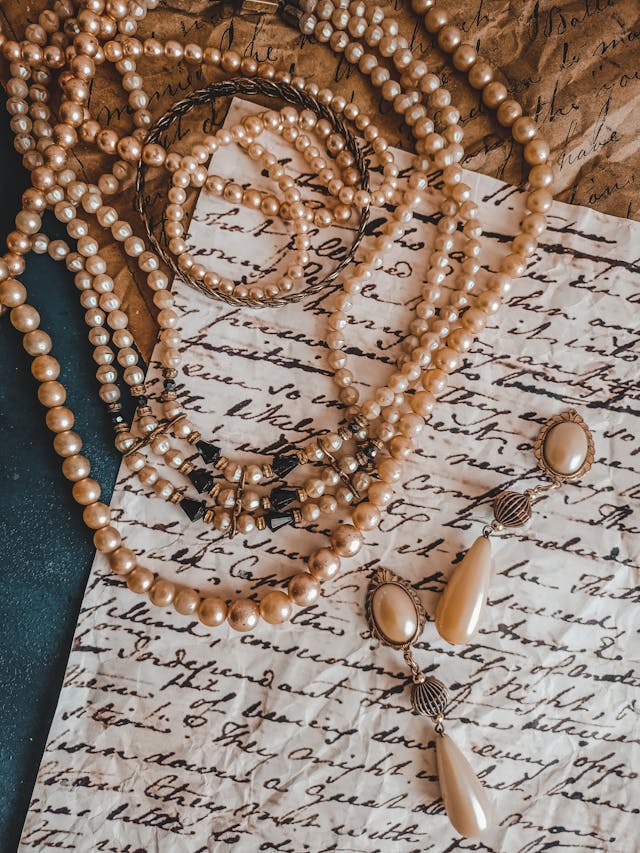
The urgency to keep it all safe is not manufactured. Every day without having these stories, events and milestones documented is a day closer to losing them permanently. The elderly relatives who hold the details of your family’s central stories will not always be available for questions. The faded letters, notes and diaries tucked away in storage contain someone’s memories, thoughts, and feelings, but these documents will continue to slowly deteriorate. The ones who know what those newspaper clippings, mementos and keepsakes signify won’t be here forever to tell the story. The connections between generations will continue to fray unless someone takes action to preserve them.
Future generations will be grateful for your decision to keep safe what matters the most. They will appreciate that someone had the foresight to preserve these stories before they disappeared. They will return to these pages during times of transition and hardship, searching for their ancestors’ generational wisdom and connection to them. They will share passages with their own children, saying, “This is where our family comes from. This is who we are.”
Your family history, traditions and stories deserve to be preserved; there is no question about that. The question is whether it will be kept safe or whether it will join the countless family stories that vanish because no one acted in time. Collect the wisdom before it’s too late. You will be happy you did, and so will your great-grandchildren.
Leave a Reply